



Understanding the Hidden Layers of Carpet Dirt
Carpets are more than just decorative elements in a home; they are reservoirs of dust, allergens, and microscopic particles that accumulate over years of use. Even with regular vacuuming, many contaminants remain embedded deep within the fibers, forming layers that are virtually invisible to the naked eye. These hidden deposits can include pet dander, pollen, soil tracked in from outside, and the residues of everyday spills that have penetrated beneath the surface. Over time, this accumulation not only diminishes the aesthetic appeal of the carpet but also affects indoor air quality and can trigger respiratory sensitivities. To truly restore a carpet’s original freshness and vibrancy, a superficial cleaning is insufficient, necessitating specialized techniques designed to extract the ingrained dirt that ordinary cleaning methods cannot reach.
The Science Behind Effective Carpet Cleaning
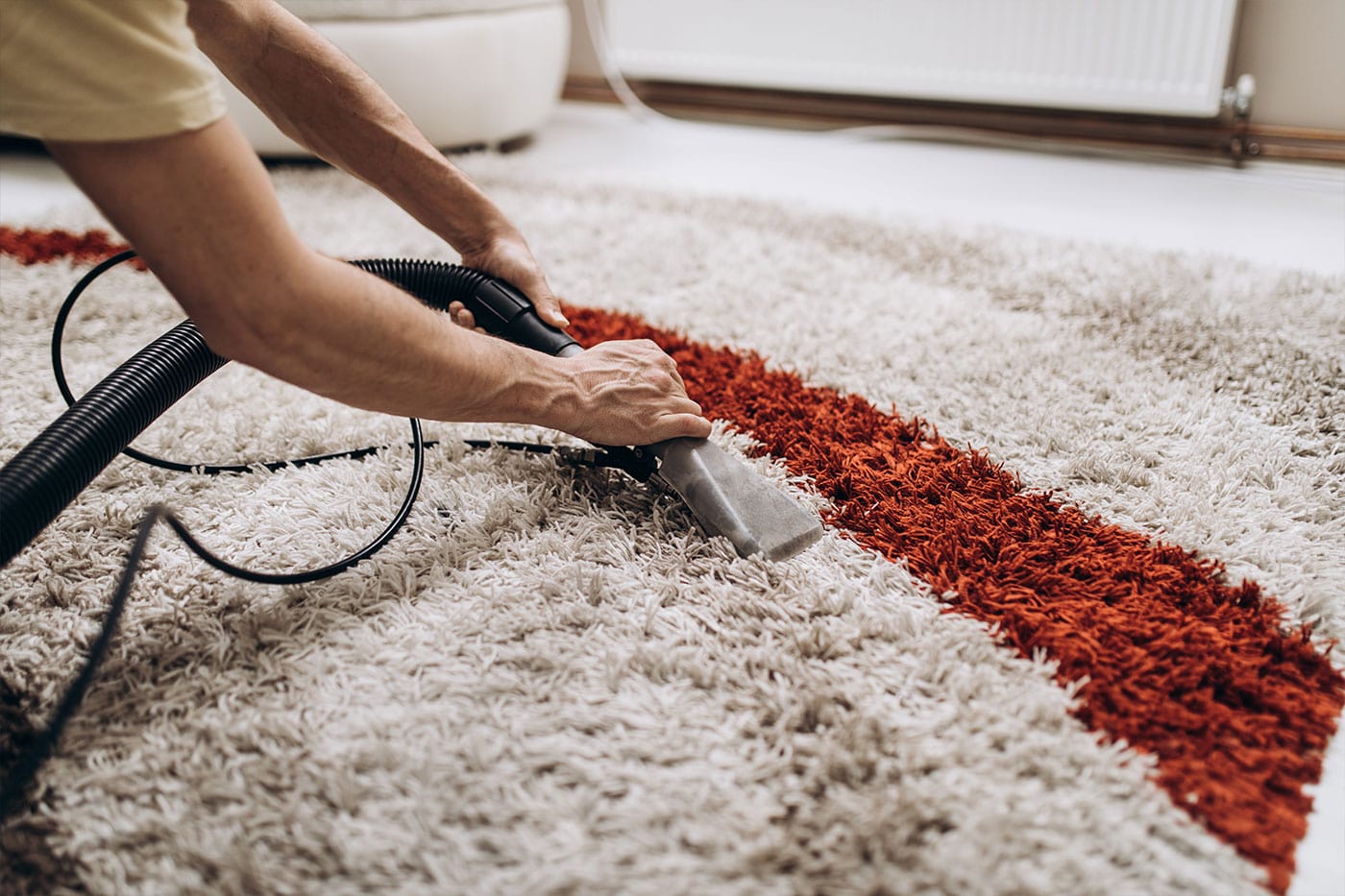
The efficacy of deep carpet cleaning lies in the understanding of the carpet’s material composition and the physical principles of dirt removal. Carpets are constructed with layers of fibers, underlays, and backing materials, each capable of trapping different types of contaminants. Water, cleaning agents, and mechanical agitation interact with these layers to loosen and extract accumulated particles. Professional methods often employ hot water extraction or steam cleaning, which use high temperature and controlled pressure to break down stubborn residues without damaging delicate fibers. Equally important is the choice of detergents and enzymes, which target organic matter and oil-based stains while maintaining the carpet’s structural integrity. A thorough comprehension of these interactions ensures a cleaning process that is not only effective but also safe for long-term carpet preservation.
Techniques to Access Embedded Dirt
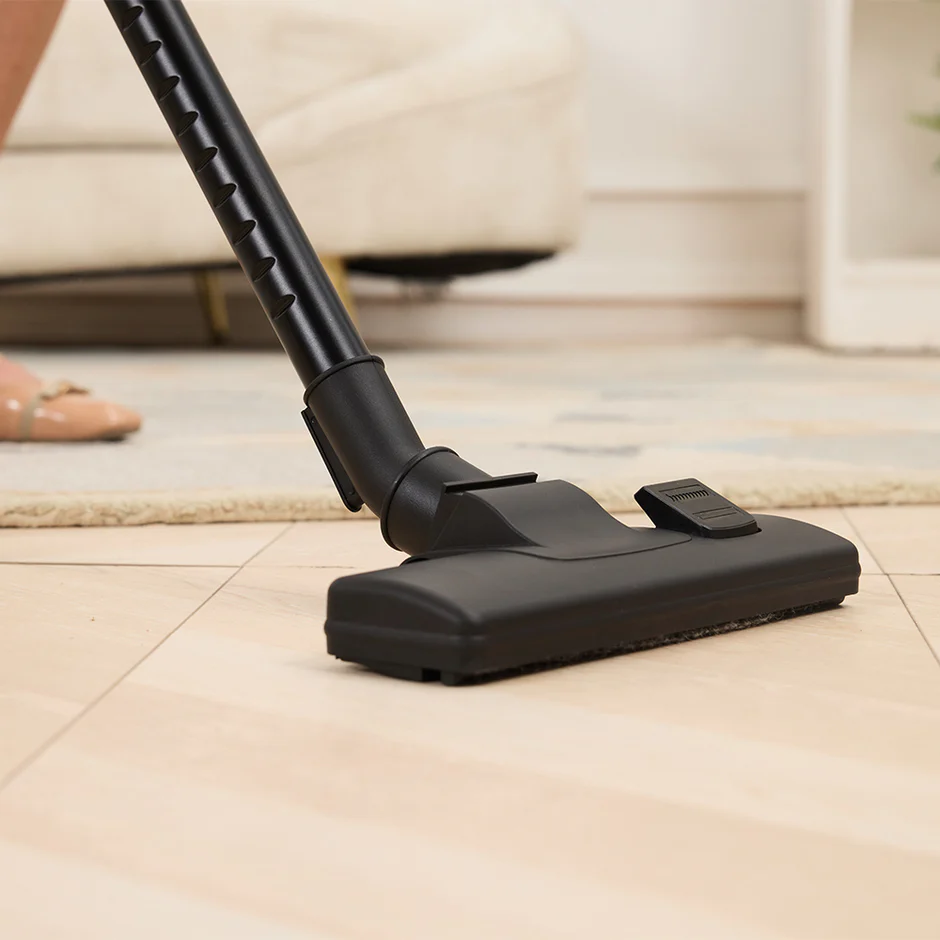
One of the most crucial aspects of deep carpet cleaning is reaching the dirt that resides in the lower strata of the carpet pile. Standard vacuuming merely skims the surface, leaving substantial deposits untouched. Effective cleaning techniques combine mechanical action with moisture penetration to release dirt particles bound within the fibers. Rotary brushes and agitation tools work to lift the pile, allowing cleaning solutions to penetrate deeper. Simultaneously, suction systems remove suspended debris efficiently, ensuring that loosened dirt is extracted rather than redistributed. Pre-treatment sprays can further soften hardened residues, breaking the bonds that trap particles for years. By addressing the carpet on multiple levels simultaneously, these techniques achieve a level of cleanliness that transforms both the look and the feel of the floor covering.
The Role of Professional Cleaning Solutions
While household detergents may provide temporary visual improvement, they are rarely sufficient to eliminate entrenched grime. Professional-grade solutions contain a combination of surfactants, chelating agents, and enzymes that target complex stains, oils, and microbial buildup. Surfactants reduce surface tension, enabling water to reach deep within the fibers, while chelating agents bind to minerals and prevent soil redeposition. Enzymatic compounds break down organic matter, such as pet stains or food residues, converting them into a form that can be flushed away. These formulations are carefully balanced to avoid residue buildup, which can attract new dirt if left unchecked. Using such specialized solutions, combined with precise application techniques, ensures that deep cleaning is thorough, hygienic, and sustainable, leaving the carpet both sanitized and aesthetically revitalized.
Eliminating Stubborn Stains and Odors
Beyond surface dirt, carpets often harbor stubborn stains and lingering odors that resist routine cleaning. Deep cleaning targets these embedded imperfections through chemical, thermal, and mechanical intervention. Stains from oils, wine, coffee, or pet accidents are softened using pH-adjusted treatments that break molecular bonds within the residues, enabling extraction. Odors, particularly those from organic sources, require enzymatic neutralization to eliminate the underlying cause rather than merely masking the smell. In combination with high-temperature extraction, this process ensures that both visible and invisible contaminants are addressed. The result is a carpet that not only appears immaculate but also provides a healthier and more pleasant environment, free from the subtle but persistent presence of dirt and odors accumulated over years.
Maintaining Cleanliness Post-Treatment
Achieving deep cleanliness is only the beginning; maintaining a carpet’s renewed condition requires strategic preventive measures. Regular vacuuming with high-efficiency machines, immediate spot treatment for spills, and periodic professional deep cleaning sessions are essential. Protective treatments, such as stain-resistant coatings, can further prolong the carpet’s aesthetic and hygienic qualities. Monitoring high-traffic areas and rotating rugs when possible helps distribute wear evenly, reducing the likelihood of dirt accumulation. The goal is to create a maintenance routine that complements the deep cleaning process, ensuring that the carpet retains its softness, vibrancy, and purity for years to come. Through a combination of advanced cleaning, thoughtful care, and timely intervention, carpets can continue to serve as both functional and visually appealing elements of the home.
Long-Term Benefits of Deep Cleaning
Investing in deep carpet cleaning yields tangible benefits that extend beyond mere appearance. By removing years of hidden dirt, allergens, and microbial matter, indoor air quality improves, reducing potential health risks. Carpets regain their original texture and color, enhancing the overall ambiance and perceived cleanliness of a space. Deep cleaning also prolongs the lifespan of the carpet by preventing fiber deterioration caused by abrasive particles trapped beneath the surface. This proactive approach minimizes the need for early replacement and preserves the carpet’s structural integrity. In essence, the meticulous extraction of entrenched debris revitalizes the material, offering both aesthetic satisfaction and functional longevity that makes the investment worthwhile.
Emerging Innovations in Carpet Cleaning Technology
Recent advancements in carpet cleaning technology have revolutionized the way hidden dirt is addressed. Sophisticated extraction machines now combine adjustable pressure, heated water, and eco-friendly cleaning solutions to maximize dirt removal while minimizing environmental impact. Low-moisture systems reduce drying time and limit the growth of mold or mildew, while sensors and automated tools enable targeted cleaning in high-traffic or heavily soiled zones. Innovations in nanotechnology and enzyme-based formulations enhance stain and odor elimination at a microscopic level, ensuring that even the most stubborn residues are neutralized. These technological strides make deep cleaning not only more effective but also more efficient, allowing homeowners and professionals alike to achieve superior results with reduced effort and enhanced precision.
Conclusion
The profound transformation achieved through deep carpet cleaning extends far beyond surface-level tidiness. By understanding the intricacies of carpet construction, employing scientifically formulated cleaning agents, and utilizing advanced extraction techniques, it is possible to eliminate years of hidden dirt that ordinary cleaning methods cannot reach. The process restores aesthetic appeal, enhances indoor air quality, neutralizes odors, and prolongs the lifespan of the carpet. Integrating professional treatments with diligent maintenance ensures that carpets remain vibrant and hygienic over time. Deep carpet cleaning is not merely an act of cleansing; it is a meticulous reclamation of both the visual and functional integrity of one of the home’s most essential surfaces.
About The Author