



Advanced Technology for Enhanced Precision
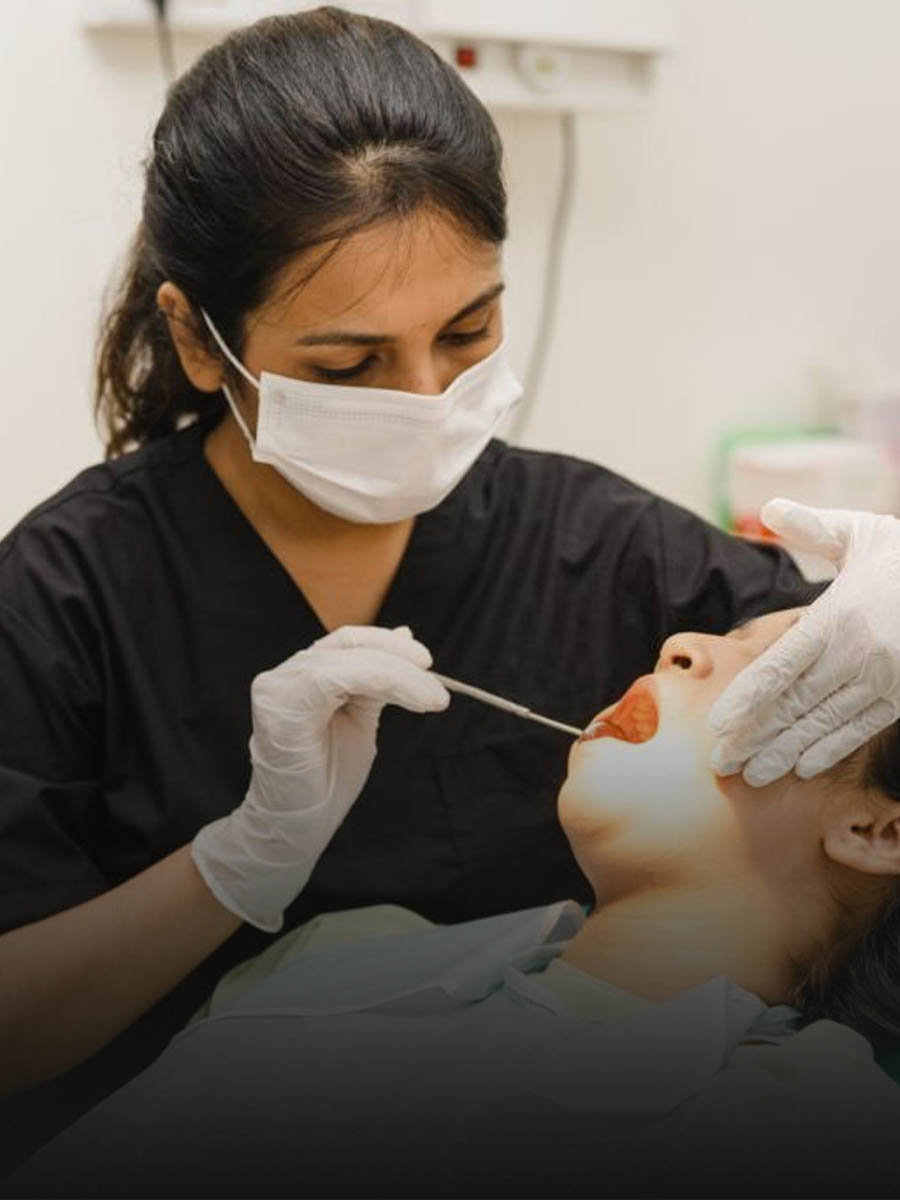
Modern dental clinics have undergone a remarkable transformation in recent years, primarily due to the integration of sophisticated technology designed to elevate patient care. Digital imaging systems, including high-resolution intraoral cameras and three-dimensional cone beam computed tomography scanners, allow dentists to diagnose conditions with unprecedented accuracy. These tools minimize invasive procedures by providing detailed visualizations of the teeth, gums, and jaw structure, enabling precise treatment planning. Laser dentistry has also emerged as a groundbreaking innovation, allowing for procedures that are faster, more accurate, and significantly less painful. Such technological advancements not only reduce treatment time but also alleviate patient anxiety by offering predictable outcomes and minimizing discomfort during procedures. The meticulous integration of technology demonstrates a commitment to patient well-being that extends beyond clinical efficiency to encompass emotional reassurance.
Ergonomic and Relaxing Clinic Environments
The physical environment of modern dental clinics plays a pivotal role in enhancing patient comfort and overall experience. Clinics are increasingly designed with patient-centered aesthetics, including calming color schemes, ambient lighting, and comfortable seating arrangements that encourage relaxation before treatment. The use of sound-absorbing materials reduces the intimidating noise of dental equipment, which has traditionally contributed to dental anxiety. Some clinics even incorporate soothing background music or nature sounds to further alleviate stress. Temperature-controlled treatment rooms, ergonomic chairs, and adjustable lighting allow dentists to work with precision while simultaneously ensuring that patients remain comfortable throughout longer procedures. This attention to environmental detail reflects a holistic understanding that patient care extends beyond clinical proficiency and into the realm of psychological comfort.
Personalized Patient Care and Communication
Modern dental clinics prioritize individualized care that caters to the unique needs and preferences of each patient. Thorough consultations, supported by detailed digital records, enable dentists to create bespoke treatment plans that consider not only oral health but also patient comfort and lifestyle factors. Effective communication has become a cornerstone of care, with practitioners taking time to explain procedures, expected outcomes, and post-treatment care in a manner that is both informative and reassuring. Some clinics utilize digital platforms to provide patients with pre-treatment educational materials and visual simulations of procedures, which empowers individuals with knowledge and reduces anxiety. By focusing on a patient-centered approach, modern dental practices foster a sense of trust and collaboration that enhances the overall care experience, making patients feel valued and respected.
Minimizing Pain and Anxiety Through Sedation and Comfort Techniques
Pain management has long been a fundamental concern in dentistry, and contemporary clinics employ a range of methods to ensure patient comfort during treatment. Local anesthesia is now delivered with precision using computer-assisted devices that control the flow and pressure of anesthetic injections, minimizing discomfort. Sedation options, ranging from nitrous oxide to oral sedatives, provide a safe and effective means for patients with dental phobias to undergo necessary procedures calmly. Complementary strategies, such as guided breathing techniques, distraction devices, and virtual reality systems, further alleviate stress and help patients remain relaxed throughout treatment. By combining medical expertise with psychological considerations, modern clinics ensure that dental care is not only effective but also emotionally reassuring, reducing the fear and pain historically associated with dental visits.
Streamlined Processes for Efficiency and Patient Convenience
Efficiency and convenience have become defining features of patient care in modern dental clinics. Advanced practice management systems allow for streamlined appointment scheduling, automated reminders, and integrated electronic health records, reducing administrative delays and creating a seamless patient experience. Digital impressions and same-day milling technology expedite restorative procedures, often eliminating the need for multiple visits. By optimizing workflow and minimizing time spent in the clinic, dental professionals can focus on the quality of care and patient comfort rather than procedural bottlenecks. Such innovations also ensure that patients experience less disruption to their daily routines, making dental visits more accessible and less stressful, while simultaneously maintaining a high standard of clinical care.
Focus on Preventive Care and Education
Preventive care has assumed a central role in modern dental practices, with clinics emphasizing regular monitoring and patient education to preempt oral health issues before they escalate. Personalized hygiene plans, routine check-ups, and advanced diagnostic tools allow dentists to detect early signs of decay, gum disease, or structural concerns with precision. Clinics now offer interactive educational sessions, digital resources, and real-time demonstrations that empower patients to take proactive steps in maintaining oral health. This proactive approach not only reduces the need for invasive treatments but also fosters a collaborative relationship between patient and practitioner. By emphasizing prevention, modern clinics enhance patient comfort indirectly, as fewer complications and interventions translate into less pain, reduced stress, and improved overall satisfaction with dental care.
Integration of Holistic Health Approaches
Contemporary dental clinics increasingly recognize the interconnection between oral health and overall well-being, adopting holistic approaches to patient care. Nutritional guidance, lifestyle recommendations, and stress management strategies are often incorporated into routine consultations to support comprehensive health outcomes. Some clinics also collaborate with specialists in fields such as orthodontics, periodontics, and sleep medicine to address underlying conditions that affect oral health. By considering the patient as a whole rather than focusing solely on teeth and gums, these clinics create a more meaningful and supportive care environment. This holistic perspective enhances patient comfort by providing comprehensive solutions that address root causes rather than temporary symptoms, fostering long-term wellness and satisfaction.
Commitment to Continuous Improvement and Patient Feedback
Modern dental clinics actively seek patient feedback as a mechanism to refine care practices and enhance overall experience. Surveys, digital reviews, and follow-up consultations provide insights into areas of improvement, whether related to procedural comfort, staff interactions, or clinic ambiance. Staff training programs ensure that dental professionals remain current with advancements in pain management, communication techniques, and patient-centered care models. This ongoing commitment to improvement underscores a culture of excellence and accountability, where patient comfort and satisfaction are continuously prioritized. By valuing input and adapting practices accordingly, modern clinics cultivate trust, reinforce professional integrity, and demonstrate an unwavering dedication to delivering the highest standard of care.
In conclusion, modern dental clinics have transformed the patient experience by integrating cutting-edge technology, designing therapeutic environments, personalizing care, prioritizing pain management, streamlining processes, promoting preventive care, adopting holistic approaches, and continuously refining practices based on feedback. These multifaceted strategies collectively ensure that patients receive not only clinically effective treatment but also a profoundly comfortable and reassuring experience. By redefining the dental visit as an encounter that balances scientific precision with emotional care, contemporary clinics establish a new standard in oral health, where patient well-being is at the heart of every procedure.
About The Author